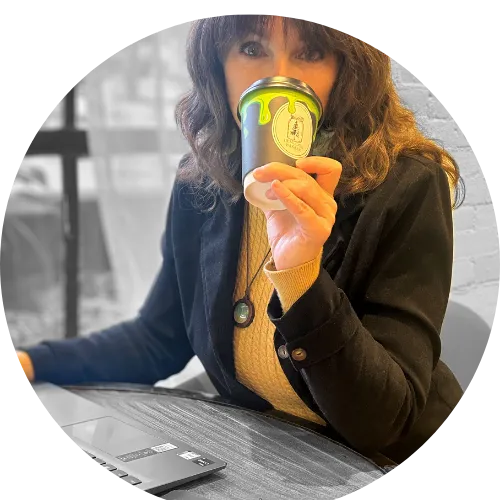
Meet Tonya Slater
The Quiet Protector
I help families create safer spaces and calmer bodies by addressing the environmental stressors most people never see.
A supported home creates a supported life.
Let’s begin.
What I Do
My Purpose
At Detox Dwellings™, I help families create healthier, calmer homes that support their well‑being physically, emotionally, and environmentally. Through education, personalized assessments, and clear, right‑sized recommendations, I make the process simple, supportive, and doable for real families.
My work honors your pace, your needs, and the season of life you’re in — offering guidance that brings clarity, not overwhelm, as you create a home that truly supports you.
And I do it with one promise:
Your home should heal you, not harm you.

About Me
A healthier home starts with understanding the quiet things that shape how we live.
Why I Became The Quiet Protector
I founded Detox Dwellings™ to help families create homes that protect their health, not quietly undermine it.
I grew up in environments where safety wasn’t guaranteed, and as a mom and grandma who’s lived through heartbreak, loss, and years of unexplained health struggles, I learned early how deeply our surroundings shape our bodies, our minds, and our families.
When my own health collapsed and later, when I lost both my mom and middle sister just four months apart I realized something most people never consider:
Our homes can quietly heal us… or quietly harm us.
Today, I use building biology, healthy design, and a trauma‑aware approach to help families create safer, calmer spaces that support their well‑being from the inside out.
About Us
A healthier home starts with understanding the quiet things that shape how we live.
Why I Became The Quiet Protector
I founded Detox Dwellings™ to help families create homes that protect their health not quietly undermine it.
I grew up in environments where safety wasn’t guaranteed, and as a mom and grandma who’s lived through heartbreak, loss, and years of unexplained health struggles, I learned early how deeply our surroundings shape our bodies, our minds, and our families.
When my own health collapsed and later, when I lost both my mom and middle sister just four months apart I realized something most people never think about:
our homes can either quietly heal us… or quietly harm us.
Today, I use building biology principles, education, and a trauma‑aware approach to help families understand the hidden environmental stressors inside their homes and what to do about them with clarity, compassion, and zero overwhelm.
10+ years of design expertise in residential and commercial spaces
Personalized, full-service interior design from concept to completion
Seamless blend of aesthetics and practicality
Transparent process & collaborative client experience
Serving [City/Region] and surrounding areas
Services
What’s Quietly Impacting Your Home?
Real Homes.Real Healing.
The Quiet Protector™ approach uncovers the hidden stressors inside your home so your family can sleep better, breathe easier,
and feel calmer in the spaces you live every day.
Process
How Do I Work?
Here’s a quick look at how we bring your space to life
1:Choose Your Consultation
Select the session that fits your needs from a quick 15‑minute guidance call to a full 60‑minute consult or the in‑depth Healthy Home Blueprint Assessment.
2: Receive Your Personalized Plan
Based on your session, you’ll receive clear, compassionate guidance tailored to your concerns, your home environment, and your family’s goals.
If you book the Blueprint Assessment, you’ll receive a full action plan and support.
3: Transform Your Home With Support
Begin implementing your steps with trusted recommendations, gentle guidance, and referral partners when specialized testing or services are needed.
You’re not doing this alone, I walk with you through each step you’re ready to take..
Free Guide: Light Your Way to Better Sleep
Unlock Restful Nights
Download this free guide to learn how circadian lighting can transform your sleep and daily energy. Inside, you’ll find simple steps, scientific insights, and a plan you can begin using tonight to support your whole family’s well‑being.
The Science Behind Circadian Lighting
Light That Supports Your Mind, Mood, and Sleep
Your body runs on an internal clock — your circadian rhythm. Light is what sets and stabilizes it.
The right lighting at the right time can improve sleep quality, energy levels, mood, focus, and even hormone balance. Many homes unintentionally disrupt this natural rhythm with harsh, cool, or poorly timed lighting.
By using principles grounded in research, we help restore a natural lighting cycle so your home supports deeper rest and brighter days.
The Science Behind Circadian Lighting
The Science Behind Circadian Lighting
Light That Supports Your Mind,
Mood, and Sleep
Your body runs on an internal clock your circadian rhythm. Light is what sets and stabilizes it.
The right lighting at the right time can improve sleep quality, energy levels, mood, focus, and even hormone balance. Many homes unintentionally disrupt this natural rhythm with harsh, cool, or poorly timed lighting.
By using principles grounded in research, we help restore a natural lighting cycle so your home supports deeper rest and brighter days.
Safe Building Materials
Choosing Products That
Protect Your Family
Many everyday materials paints, flooring, cabinets, textiles release chemicals you may not see or smell, but your body still responds to. These pollutants accumulate indoors, impacting air quality and overall wellness.
By selecting low-emission finishes, formaldehyde‑free wood products, and thoughtfully chosen textiles, we reduce the toxic load in your home and create safer, more nurturing spaces. Every surface your family touches is an opportunity to support better health.
The Science of Buildings
Understanding What Your Home Is Trying to Tell You
Every home has a story. Building science helps decode it.
It examines how air, heat, water, and vapor travel through your home — and how small imbalances can lead to mold, drafts, poor air quality, or uneven temperatures. Instead of looking at problems in isolation, we view the entire home as a connected system, where one change can influence comfort and long-term durability.
When this science is respected, your home becomes more resilient, efficient, and supportive of your well‑being.
The Science of Buildings
Understanding What Your Home
Is Trying to Tell You
Every home has a story. Building science helps decode it.
It examines how air, heat, water, and vapor travel through your home and how small imbalances can lead to mold, drafts, poor air quality, or uneven temperatures. Instead of looking at problems in isolation, we view the entire home as a connected system, where one change can influence comfort and long-term durability.
When this science is respected, your home becomes more resilient, efficient, and supportive of your well‑being.
Building Biology: Key Principles
How Your Home Shapes Your Health
Your home is more than a structure it’s an ecosystem that affects how you breathe, sleep, heal, and connect. Building Biology looks at the relationship between people and the built environment, recognizing that the materials, air, light, and layout around us can either support or stress the human body.
By applying these principles, we create spaces that reduce unnecessary chemical exposure, improve indoor air quality, manage moisture more effectively, and support your family’s natural rhythms. The result: calmer, healthier everyday living.
Process
Inside Your Healthy Home Assessment
Your home holds clues about your health that most people never notice.
Our assessment helps you understand those quiet factors and what to do about them.
1: Hidden Health Impacts
Many families live with environmental stressors they don’t realize are affecting sleep, energy, focus, or mood.
During your assessment, we look for the quiet, overlooked factors air + light quality, materials, cleaners, and daily patterns that may be influencing how you feel inside your home.
2: Clear, Compassionate Guidance
You’ll receive simple, personalized recommendations based on your unique home and your family’s needs.
No overwhelm.
No judgement.
Just a calm, trauma‑aware approach that helps you make meaningful changes at a pace that feels doable.
3: Our assessment process
Together, we’ll walk through the key areas of your home virtually.
I’ll help you understand the environmental patterns that may be contributing to your concerns.
You’ll receive a clear, prioritized action plan tailored to your lifestyle — so you know exactly where to begin and what will make the biggest difference.
Testimonials

Don't Take My Word For It
Your investment in long term health
Invest in your family's wellbeing with our comprehensive assessment
creating a healthier home now can prevent health issues for years to come.
Book your consultation
Add Subtext text. Click "Edit Text" to update the font, size and more.
To change and reuse text themes, go to Site Styles.
FAQs
Frequently Asked Questions
What happens when I book a Healthy Home Consultation?
First, we talk about what’s happening in your home — your concerns, your routines, your family’s needs, and anything that feels “off.”
Then I assess the key areas that impact your well‑being, such as air quality, moisture, materials, lighting, and environmental stressors.
You’ll walk away with clarity, a prioritized action plan, and simple steps you can start right away.
Do I need to change my whole house, or can we start small?
You can absolutely start small.
Some families begin with one room — usually bedrooms or the space where symptoms show up the most. Others want a full‑home assessment.
Your plan is built around what matters most to you and what your home needs.
How do you decide what recommendations to make?
I combine Building Biology principles, environmental wellness research, and years of hands‑on experience.
Recommendations are always:
• evidence‑based
• practical for everyday living
• aligned with your health goals
• matched to your budget
You’ll never be asked to do anything unnecessary or extreme.
Can you work with what I already have?
Absolutely.
I don’t believe in creating waste or pushing expensive replacements. We look at what can stay, what can be improved, and what may be impacting your well‑being without you realizing it.
The goal is always: Keep what serves you. Adjust what doesn’t.
How much does it cost to work with you?
I offer a range of services — from a simple Snapshot Session to a full Healthy Home Deep Dive.
Each level meets different needs and budgets.
You’ll always know pricing up front, with no surprises.
What results do most families experience?
While every home is different, most clients report:
• better sleep
• calmer energy in the home
• reduced anxiety
• improvements in mood and behavior (especially with kids)
• fewer headaches or sensitivities
• clearer air and fewer odors
• a deeper sense of peace
Your home becomes a place that supports healing instead of draining it.
What is the difference between ZVOC & non-toxic?
Contrary to what most people think, a zero VOC paint or product may be environmentally friendly, but most likely is not healthy for humans. VOCs are regulated for use in paints and coatings not because of their direct health effects on humans, but for their contribution to low-level smog. VOCs can react with UV and nitrogen to create ozone, a major component of smog. Plus, zero VOC paints, coatings, and products, often contain acetone, ammonia, formaldehyde precursors, masking agents and many more chemicals which are not regulated as VOCs and don’t necessarily have to be listed on a Material Safety Data Sheet (MSDS).
A healthy paint is one that is made with no or very low amounts of toxins and hazardous ingredients, and is free from out gassing. These paints could be low or zero VOC, but utilize ingredients that are known to be safer for humans.
How long does the process take?
Most clients see meaningful improvement within days or weeks of making the recommended changes.
Your consultation and plan are delivered quickly, and you can move at whatever pace feels sustainable for your family.
How do I know if a product is healthy?
One way to determine whether or not a product is considered healthy is to find out if individuals with chemical sensitivities have used it successfully. Relying on manufacturers literature and information can be very problematic, therefore we use the Degree of Green system to help us in our research.
BE ADVISED: VOC content is NOT a metric for human health. VOCs are any unreacted carbon based molecule that contributes to outdoor air pollution and the absence of VOC content is not an indicator the product is healthy. The EPA regulates the VOC list for OUTDOOR AIR POLLUTION only.
Do I need to be involved in every decision?
Only as much as you want to be.
Some families prefer a collaborative approach; others want a clear, simple plan to follow.
Either way, I guide you step by step so nothing feels overwhelming.
What if I’m not sure I’ll like the final outcome?
This process isn’t about changing your style — it’s about improving your health.
Every recommendation is adjustable. If something doesn’t feel right, we adapt it.
My goal is to ensure your home feels safer, calmer, and more supportive — in a way that fits your life.
Is this the same as interior design?
No.
Healthy Home Consulting focuses on wellness, not décor.
We look at how your home affects your sleep, mood, air quality, energy, stress levels, and daily comfort.
It’s about the health of your environment — not the color of your pillows.
What is VOC?
VOCS are regulated by the Environmental Protection Agency because of their propensity to rise to the upper atmosphere, react with nitrogen and UV and create low level smog. Some chemicals that are carbon based that will rise up actually will not react with nitrogen or UV and they won’t create smog. So the EPA has consider them exempt compounds. It’s about 37 of them that are used throughout the industry. And when these ingredients are used, they do not have to be disclosed on the safety data sheets because they don’t meet that threshold of the EPA. Acetone, ammonia and butyl acetate of the three that are most commonly used in paints and coatings. But it goes well beyond paints and coatings. It goes into things like flooring. And think of carpet, that new carpet smell that we all know that’s a combination of a lot of ingredients that make up a component called styrene butadiene rubber. But one of those ingredients is a chemical called 111-trichloroethylene that is been deemed like this specific chemical that creates that smell. That’s called zero VOC when used in building materials. So when manufacturers claim that their products are zero VOC, they’re not saying they’re zero toxin, they’re saying that their products do not contribute to outdoor air pollution as deemed by the EPA.
What is chemical sensitivity?
A vast spectrum of severity exists related to chemical sensitivities. Symptom ranges can be as mild as an allergic reaction to pollen, ragweed, such as a slight headache or bodily irritation, to acute flu-like symptoms, skin rashes, and even anaphylactic shock. A person’s body cannot process or filter out the chemical, and reactions can be caused by a specific chemical that one is sensitive to, or any other related chemical. Formaldehyde seems to be a major trigger chemical.
Chemical sensitivity is not something one is born with. It is either developed over time due to low level exposure, or it happens quickly via a massive exposure. In either case, there is no known medically-acceptable cure. However, symptoms can be alleviated through the use of healthier building materials, safer cleaning methods, organic clothing, and a clean diet.
Speaking & Storytelling
Sharing the message of healthier homes, safer families, and emotional resilience.
Tonya is preparing to bring The Quiet Protector™ framework to TEDx stages and keynote audiences in 2026.
Her talks explore how childhood adversity shapes our adult environments — and how transforming the home can transform the human heart.
If you'd like to inquire about future speaking opportunities or early bookings, you can reach out below.
Ready to Transform Your Home Into a Healthier, Calmer Space?
Your home should support your family’s sleep, mood, immune system, and daily well‑being.
If something feels “off,” let’s uncover the root cause and create a space that finally feels safe, refreshing, and deeply restorative.
COMPANY
SUPPORT
LEGAL
FOLLOW US


© Copyright 2025. Detox Dwellings. All Rights Reserved.